A monogram logo is one of the oldest and most enduring formats in brand identity. Two or three letters, carefully designed, can carry a complete brand identity in a minimal footprint. Louis Vuitton, Chanel, and General Electric all built iconic recognition around letter-based marks. The format works at any scale, reproduces across any material, and when executed well, ages far better than more complex logo designs.
This guide covers what a monogram logo is, how to design one that works for your company, and how to deploy it efficiently across the different applications your business actually uses.
What Is a Monogram Logo?
The Definition
Letters as Identity
A monogram logo is a visual mark created by combining two or more letters, typically initials, into a single unified design. If you’re new to this logo style, our guide on how to get a good business logo design explains how different logo formats support different branding goals. The letters may overlap, interlock, stack, or be arranged in a configuration that functions as one cohesive mark rather than individual separate characters. A monogram logo is distinct from a lettermark, which simply sets initials in a typeface without necessarily combining them into a single unified form.
Why Companies Choose Monogram Logo Design
Companies choose monogram logo design when the brand name is long or difficult to render visually at small sizes, when the initials create an inherently interesting visual combination, or when the premium and authoritative associations of the format match the brand’s positioning. The format also works particularly well for personal brands and professional services firms where the individual’s name is the brand.
Types of Monogram Logos
| Type | Description | Best Suited For |
| Interlocked monogram | Letters woven through each other sharing negative space | Fashion, luxury goods, heritage brands |
| Stacked monogram | Letters arranged vertically one above the other | Professional services, law firms, formal businesses |
| Single letter mark | One dominant initial as the complete brand symbol | Personal brands, agencies, minimalist companies |
| Circular monogram | Letters arranged within or around a circular frame | Institutions, traditional brands, seal-style marks |
| Letterform monogram | Letters redesigned into a new unified abstract shape, similar to the custom approaches discussed in our guide on how to create a logo in Word when experimenting with logo concepts. | Tech companies, modern design-forward brands |
| Overlapping monogram | Letters placed over each other with transparency or blending | Creative industries, contemporary lifestyle brands |
How to Design a Monogram Logo: Step by Step
Step 1: Define the Brand Foundation First
Design Decisions Flow from Brand Strategy
Before choosing letters, exploring typefaces, or sketching combinations, get clear on what the brand needs to communicate. A monogram logo for a luxury fashion label should feel different from one for a technology startup or a legal practice. The personality, the target audience, and the competitive context all inform every design decision that follows. Starting with aesthetics before strategy produces a mark that looks fine but communicates nothing specific.
Step 2: Choose Which Letters to Use
Not Every Initial Combination Works
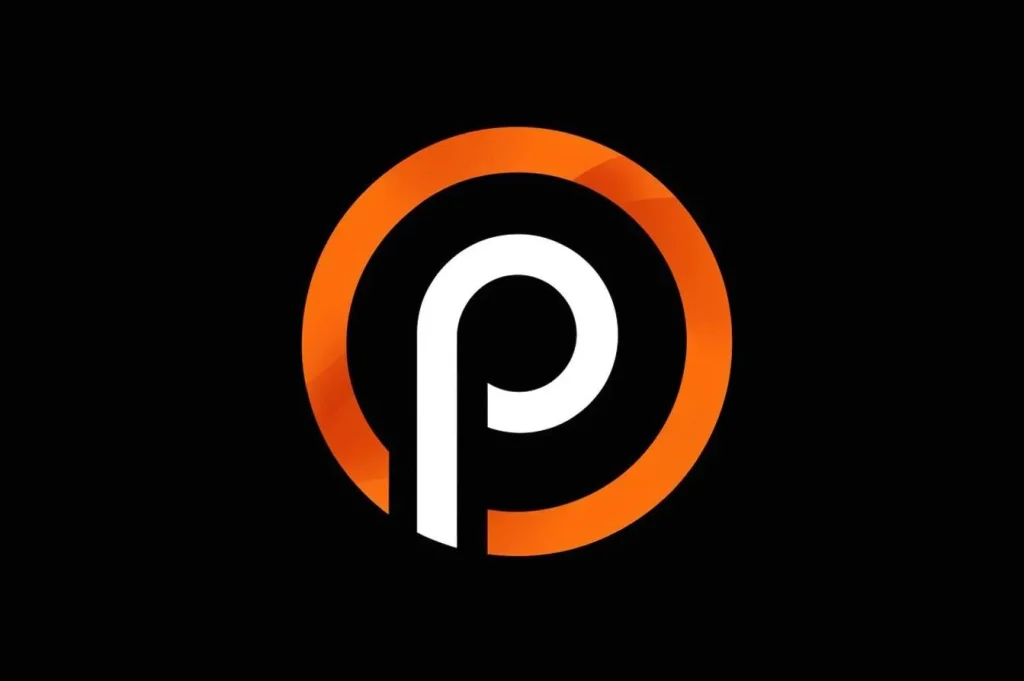
Most monogram logos use two or three letters. For a company, this typically means the initials of the business name. Before committing to a combination, examine how the chosen letters interact visually. Some combinations create natural harmony. Others create awkward shapes that require significant design intervention to resolve. Test the initials in multiple configurations before settling on which letters and arrangement to develop further.
Step 3: Select the Right Typeface
The Typeface Is the Monogram
In a monogram logo design, the typeface choice carries the entire visual weight of the design. There is no illustration, no symbol, and no supporting graphic element to share the load. The typeface communicates personality, positions the brand, and determines how much design flexibility you have with the letters.
- Serif typefaces: traditional, authoritative, and trustworthy; suited to law firms, financial services, and heritage brands
- Sans-serif typefaces: modern, clean, and approachable; suited to tech, startups, and lifestyle brands
- Script typefaces: elegant and personal; suited to luxury goods, wedding services, and creative professionals
- Custom lettering: unique and ownable; suited to brands seeking maximum differentiation and trademark strength. Many of the same principles appear in our roundup of the best AI logo generators, where customization plays a major role in logo quality.
Step 4: Work on Letter Relationships
Sizing, Spacing, and Overlap
Once you have your typeface and letter selection, the design work is in the relationships between the letters. Equal sizing suggests balance and partnership. One letter is larger than the other, establishing hierarchy. Varying weights create visual interest without requiring size differences. The space between letters, known as kerning, is one of the most sensitive variables in monogram design. Too much space disconnects the letters. Too little makes the mark feel cramped. Optical adjustment, based on what looks right rather than mechanical measurements, is what separates professional monogram work from amateur attempts.
Step 5: Test at Every Scale
A Monogram Must Work Small
The defining advantage of a monogram logo design is its versatility across scales. But that versatility must be verified, not assumed. Test your design at favicon size (16 by 16 pixels), at business card size, at letterhead size, and at signage scale. Details that read elegantly at large sizes often collapse into illegibility at small ones. If the mark cannot be read clearly at the size of an app icon, the interlocking or overlapping elements need to be simplified.
How to Use a Monogram Logo Efficiently
Applications That Benefit Most from Monogram Format
Product Hardware and Labels
A monogram excels on applications where a full wordmark would be too large or too detailed to work effectively. Embossed leather goods, embroidered garment labels, engraved hardware such as buttons, clasps, and zipper pulls, and stamped packaging all become more elegant with a well-designed monogram than with a spelled-out name. This is one of the primary reasons luxury fashion brands adopted the format: it works beautifully on the materials and at the scales their products require. Packaging considerations often influence logo selection as well, particularly with current brand packaging trends emphasizing clean and adaptable visual identities.
Digital Applications
- App icons: a monogram works cleanly as an app icon where full wordmarks become unreadable
- Favicon: the smallest application a logo faces; monograms handle this better than complex marks
- Social media profile images: profile images appear small in feeds; a clear monogram reads better than a full logo
- Email signatures: a small monogram adds professional polish without overwhelming the email layout
Print and Stationery
Letterheads, business cards, envelopes, and notepads all benefit from the compact authority of a monogram mark. A well-designed monogram on business stationery communicates that the brand has been thought about carefully. It also provides a consistent visual anchor that works alongside a full wordmark in layouts where hierarchy between the two marks is needed.

Common Monogram Logo Design Mistakes
| Mistake | Why It Fails | What to Do Instead |
| Too many letters | More than three letters creates unreadable complexity | Limit to two or three initials maximum |
| Generic typeface with no modification | Looks like text, not a designed mark | Invest in custom adjustments to letterforms |
| Poor negative space management | Cramped marks feel unpolished and are hard to read | Give letters room and make negative space intentional |
| Only tested at large sizes | Small-size legibility problems surface too late | Test at favicon and label size from the beginning |
| Color-dependent design | Creates production problems for single-color applications | Design in black and white first; add color second |
Final Thoughts
Designing a monogram logo well requires more care than the simplicity of the format suggests. The letters need to work together as a unified mark, the typeface needs to match the brand’s personality, and the design needs to hold up at every scale it will actually be used. When all of that comes together correctly, the result is one of the most versatile and enduring brand marks available.
Fastest Logo designs monogram logos built on typographic precision and brand strategy. If you are exploring whether a monogram is the right format for your company, reach out to us. We will help you figure out what works for your specific brand.
FAQs
1. What is a monogram logo?
A monogram logo is a visual mark created by combining two or more letters, typically initials, into a single unified design. The letters may interlock, stack, or overlap in a configuration that functions as one cohesive brand mark rather than individual characters.
2. How many letters should a monogram logo use?
Most effective monogram logos use two or three letters. More than three creates visual complexity that reduces recognizability and makes the design harder to balance at small sizes.
3. What typeface works best for monogram logo design?
The right typeface depends on the brand’s personality. Serif fonts communicate tradition and authority. Sans-serif communicates modernity. Script communicates elegance. Custom lettering offers the most uniqueness and the strongest trademark potential.
4. Should a monogram logo work in black and white?
Yes, always. A monogram that only works in color has a design problem. Design in black and white first to ensure the letterform and composition create a strong mark. Add color as a secondary layer after the form is solid.
5. What industries use monogram logos most effectively?
Fashion and luxury goods, professional services including law and finance, hospitality and hotels, personal brands, and creative professionals all use monogram logos effectively. The format works wherever brand authority, application versatility, and premium positioning are priorities.